
Wildlife with the engine off
The Arctic’s residents don’t perform on schedule — which is exactly the thrill. We time the seasons (orca herring runs, puffin cliffs, eagle fjords), keep the boats small, and let silence do the approaching.
What it’s really like
Every November the herring pour into the fjords north of Tromsø, and the orcas follow — carousel-feeding pods, fins like patrol sails, sometimes a humpback crashing the buffet. From a small boat with the engine cut, you hear the blows before you see them. It is, reliably, the moment people forget how cold their hands are.
Summer flips the cast. Iceland’s Húsavík runs Europe’s best humpback theatre; the Westman Islands host the world’s largest puffin colony — ten million clowns commuting with beakfuls of sand eels. Norway’s coast adds white-tailed sea eagles with 2.4-metre wingspans, snatching fish thrown from Lofoten boats.
Our rule is wildlife-first: small groups, respectful distances, engines off at the encounter, and guides who log every sighting for the research projects they moonlight for. You get closer by not chasing — that’s the whole art.
Best window
Best months: whale season and puffin season

Build two boat days into any whale trip, never one — the Arctic sea keeps its own calendar, and the second morning is how you beat it. If both run flat-calm, the bonus day becomes eagles.
Moments this collection is built around
The blow in the silence
Engine off in Skjervøy: a pshhh across the water, then six black fins turning through the herring like clockwork.
Puffin rush hour
Cliff-edge in the Westmans as thousands commute past your nose — aerodynamically improbable, universally beloved.
The eagle drop
A sea eagle unfolds off a Lofoten crag — two and a half metres of wing — and the fjord goes quiet.
The bases we build around
 Base
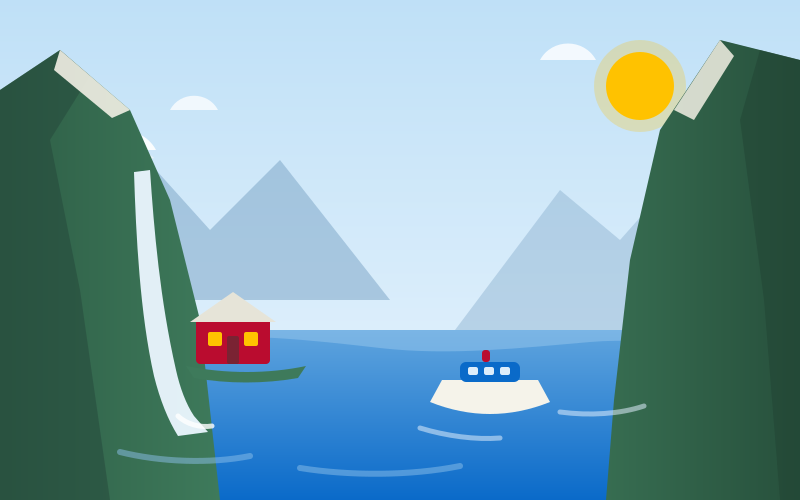
BaseTromsø / Skjervøy
The winter orca capital — herring runs Nov – Jan, aurora as the encore.
 Iceland
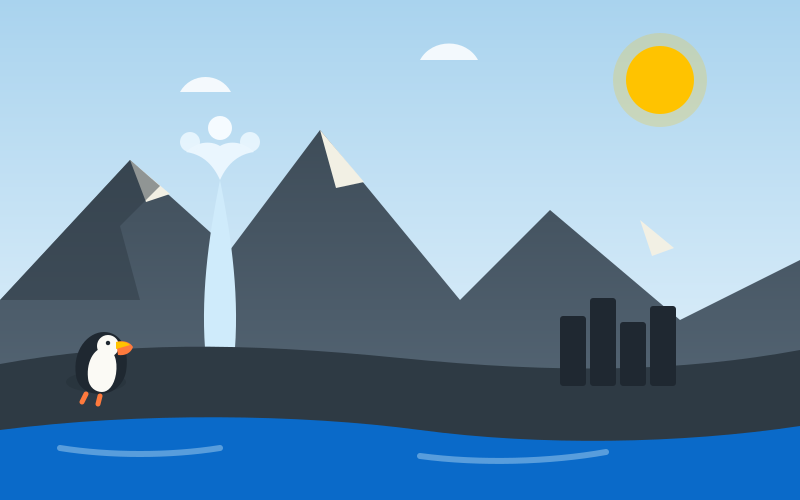
Húsavík, Iceland
Europe’s whale-watching capital: humpbacks on oak boats, GG-rated seasickness.
 Base
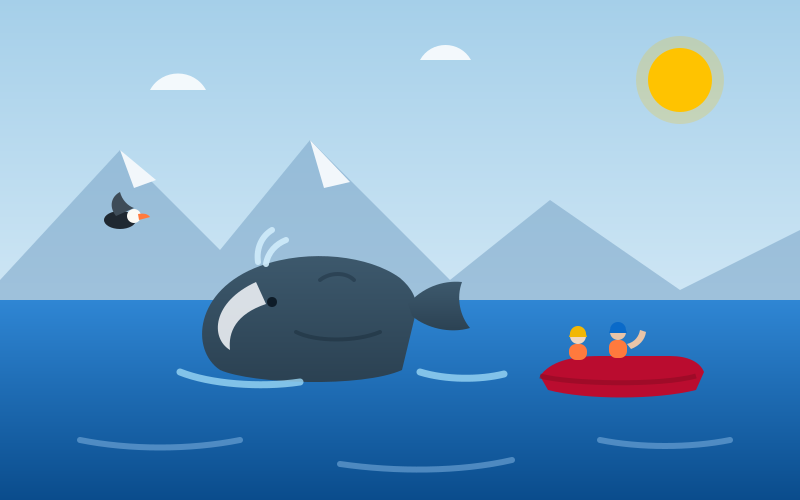
BaseLofoten & Vesterålen
Sea-eagle fjords, sperm whales off Andenes and puffin islets all summer.
How a typical day runs
Layer up (we bring the flotation suits), harbour briefing with the marine guide
Out with the small boat — scanning with coffee, cameras and high hopes
The encounter: engines off, whispers only, memory cards filling fast
Warm-up lunch ashore: fish soup, feeling returning to toes
Golden-hour eagle safari, or the sauna — season decides
The practical bit
| Ideal length | 4 – 5 nights (two boat days — weather insurance) |
| Season window | Orcas Nov – Jan · humpbacks May – Sep · puffins May – Aug |
| Typical weather | Sea-cold in all seasons; full flotation suits provided in winter |
| Activity level | Easy; sea legs help, patience helps more |
| Great for | Wildlife photographers, families (summer), David Attenborough narrators |
| Included | All safaris with marine guides, suits, harbour stays, backup boat days |
Make it yours
This page is the collection — your trip is the remix. Tell Lief your dates, your people and your pace, and get a draft itinerary in about a minute. Free to use, refined by our Oslo experts before you pay a cent.
Most guests blend this with…
 Sep – Apr
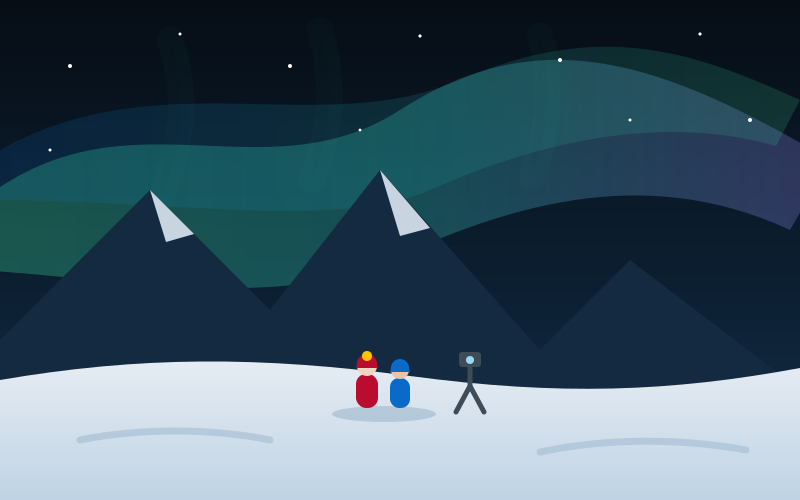
Northern lights
The sky’s greatest show, chased properly: dark-sky bases in Tromsø, Abisko and Saariselkä, pro-photographer guides, thermal suits and backup plans for cloudy nights. On 4+ night Arctic stays, 96% of our guests see them dance.
 May – Jul
Midnight sun
North of the Arctic Circle, summer nights simply don’t happen. Hike at 11 p.m. in golden light, kayak past sleeping villages in Lofoten, and lose all track of bedtime — everyone does, and no one minds.
Turn this feeling into dates
Free AI draft in a minute, refined and booked by our Oslo team — with 24/7 support while you travel.